
Unit Price Analysis: How to Improve a Project's Profitability?
A solid unit price analysis improves profitability, prevents cost overruns, and optimizes the financial control of a construction project.

Nini Rojas

Unit Price Analysis: How to Improve a Project’s Profitability?
Performing a unit price analysis in the building construction sector is key to ensuring the profitability of any project in this industry. Price variations of materials during construction, delays, and other unforeseen events can cause the project to generate significant losses.
Given the price increases that various materials may experience, it is necessary to perform an adequate price analysis for the construction project. This way, you can have meticulous control over the proper costs of the project to safeguard the achievement of expected profitability.
In this case, implementing the right tool helps achieve the highest possible profitability in the short and medium term.
Planning the Numbers
Designing a detailed and realistic plan that can integrate each of the project activities within a specific timeframe and defined construction budgets is extremely important in this field. Unit price analysis, regarding the material required for the project, is the initial and highly necessary step to manage a truly successful outcome.
Executing a construction project requires great precision, like assembling a watch, to give an example. There are different processes and equipment that must be considered to ensure optimal availability of materials, resources, and infrastructure. This way, delays and downtime that can undoubtedly increase project costs will be avoided.
Effective Construction Unit Price Analysis
A project’s profitability is achieved to the extent that all costs associated with its execution have been considered within the project’s planning and execution. In this sense, these costs can be divided into groups such as: Work costs, which are those directly necessary for the execution and completion of the construction project.
These include materials, labor, equipment rental, permits, insurance premiums, among others. On the other hand, there are general costs that relate to those expenses that are important for the proper financing of the project.
These include tools, staff payroll, utilities, owner partner compensation, legal fees, etc. Similarly, it is necessary to keep in mind risk factors and possible contingencies that may require extra costs when anticipated risks may arise.
Defining Clear Goals
It is advisable to establish, from the beginning of the project, what the desired margin is in terms of timeframe, as well as the growth goal during the project.
Results may vary according to the following factors: project size, location, materials, permits, among others; but goals should not only be determined according to margins and profitability.
An APU takes time into account as a determinant that allows fulfilling, to a greater or lesser extent, everything that has been estimated. If the project can be delivered in less time than estimated, the margin can be greater because costs derived from labor and handling expenses directly associated with the construction project can be saved.
Avoiding Low Costs That Compromise Quality
The level of competitiveness in the construction project sector is high, and this leads many companies, especially in the public sector, to lower their prices to win bids and contracts.
Unfortunately, in the medium term, this business idea will be contrary to what is initially sought, as it will bring losses both in contractor terms and at the level of builders and clients. This occurs due to the high risk of repeating rework, corrections, and material changes that increase spending, affecting margins and even causing monetary losses.
Using Control Tools
Today, you can have access to technological tools such as the best software for construction companies in Colombia, which help avoid waste of materials and time, as well as reprocessing, generating higher margins.
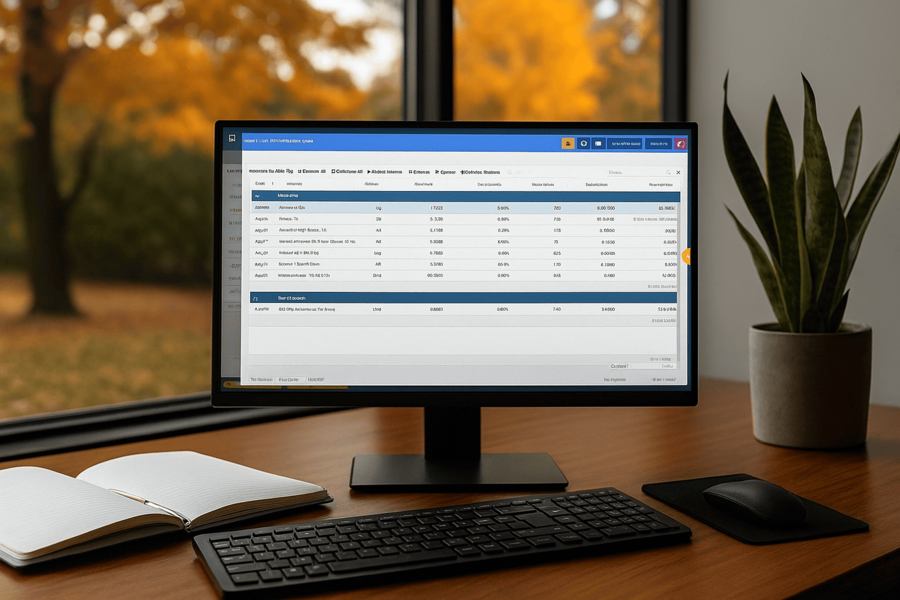
Unit price analysis in the case of construction projects allows the contractor to establish and justify the per-unit price indicated in the construction budget.
Through this system, you can break down the amount of materials to be used per unit of work, the equipment required, labor, as well as the expected performance, in terms of materials and those who carry out each job. Construction planning systems are indispensable tools for managing the details of the construction project, especially under three factors: quality, time, and cost.
Proper supervision and application of this will avoid future problems and be able to anticipate solutions to such errors that may pose a danger to the project or the financial viability of the construction project. An activity management system offers opportunities to supervise each of the activities executed by the project residency area, activities that have been completed, those that are in process, and those pending to start.
Software for Construction Companies with metroKUBIKO
By taking into account the aforementioned tips, it is possible to facilitate efficient progress in form and time for any construction project. Since detecting and solving errors in a timely manner makes it possible to maximize the profitability level of projects.
metroKUBIKO as an online platform is a great tool for managing a good unit price analysis for construction projects.
If you want to know more details about this software, you can contact us via WhatsApp: +57 316 371 9421 or email us at: soporte@metrokubiko.com.
Ready to digitize your construction company?
Join the construction companies that already manage their projects with metroKUBIKO.
Start now - Try it freeTags
Artículos Relacionados

Importancia de los análisis de precios unitarios para las empresas
Descubre por qué los APUs son clave para mejorar la planificación, ejecución y toma de decisiones en empresas constructoras modernas.
Cómo crear APUs en metroKUBIKO y optimizar tu presupuesto de obra
Aprende a crear y editar análisis de precios unitarios (APUs) paso a paso en <strong>metroKUBIKO</strong> para mejorar la rentabilidad y el control de tu proyecto de construcción.

Presupuestos de obras para control efectivo de los proyectos
Explora cómo los programas de presupuestos de obras permiten un control más efectivo en proyectos de construcción, mejorando precisión y eficiencia.